
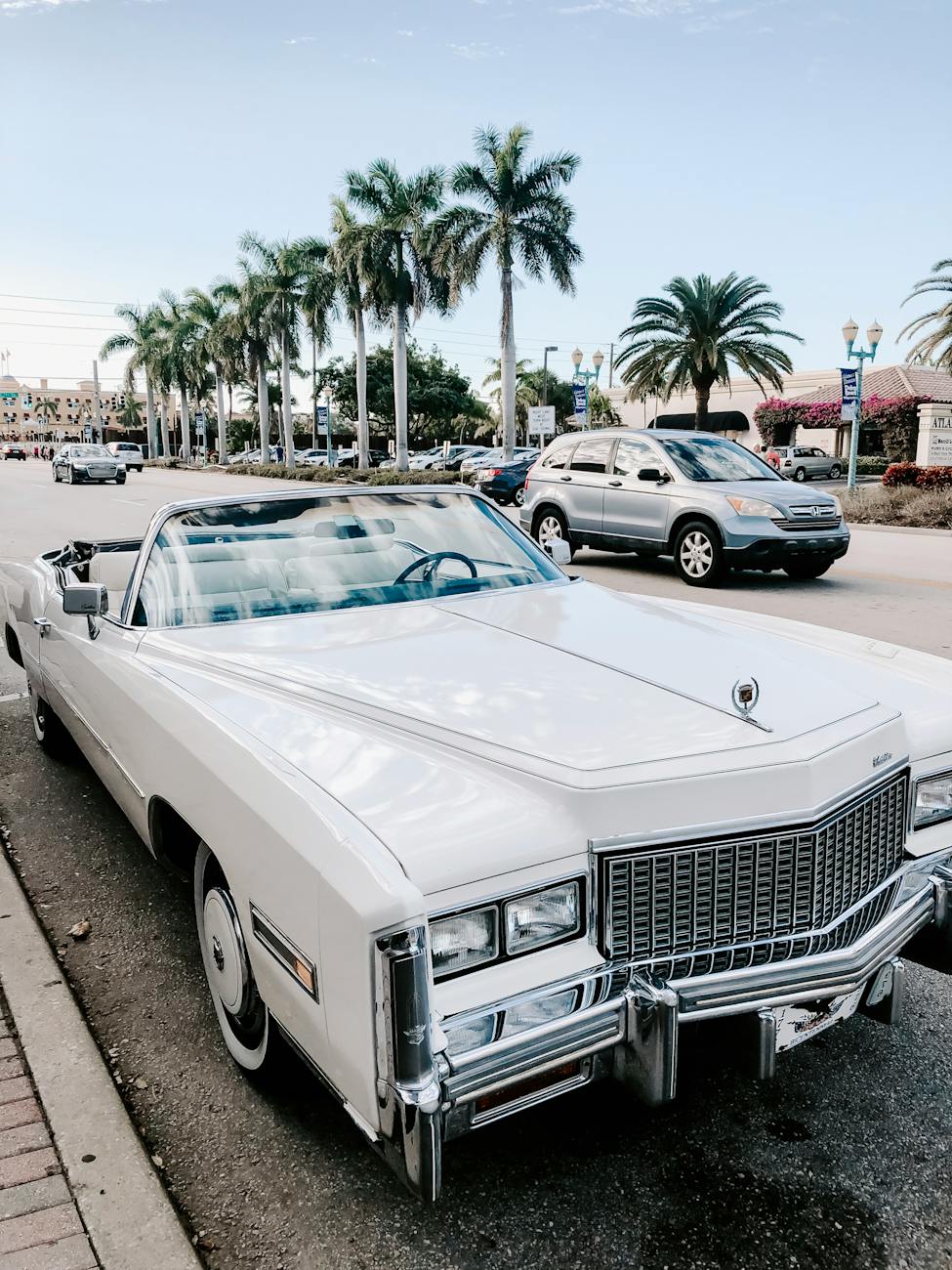
Car enthusiasts often use the terms “youngtimer” and “classic vintage” interchangeably, assuming they refer to the same category of vehicles. However, it is essential to understand the distinct characteristics that separate these two types of cars. In this blog post, we’ll delve into the world of automobiles and explore the key differences between youngtimers and classic vintage cars.
Defining Youngtimers:
Youngtimers, a term coined in the 1980s and popularized in Europe, refer to vehicles of relatively recent production that exhibit nostalgic or collectible qualities. These are typically cars manufactured between the 1980s and 2000s. Youngtimers combine modern driving capabilities and convenience with a classic or retro design, often evoking fond memories of a bygone era. They offer a bridge between modern vehicles and traditional classics.

Characteristics of Youngtimers:
- Technological Advancements: Youngtimers are more technologically advanced compared to their classic counterparts. They often incorporate fuel injection systems, power steering, electronics, and other modern features. This enables them to deliver a more refined driving experience.
- Driver Comfort: Youngtimers prioritize driver comfort with features like air conditioning, reliable suspension systems, improved ergonomics, and enhanced safety features. These elements allow for a more enjoyable and relaxed driving experience without sacrificing nostalgia.
- Increased Reliability: Unlike classic vintage cars that often require regular maintenance and restoration, youngtimers are generally more reliable and require fewer repairs due to their younger age and improved build quality.
Classic Vintage Vehicles:
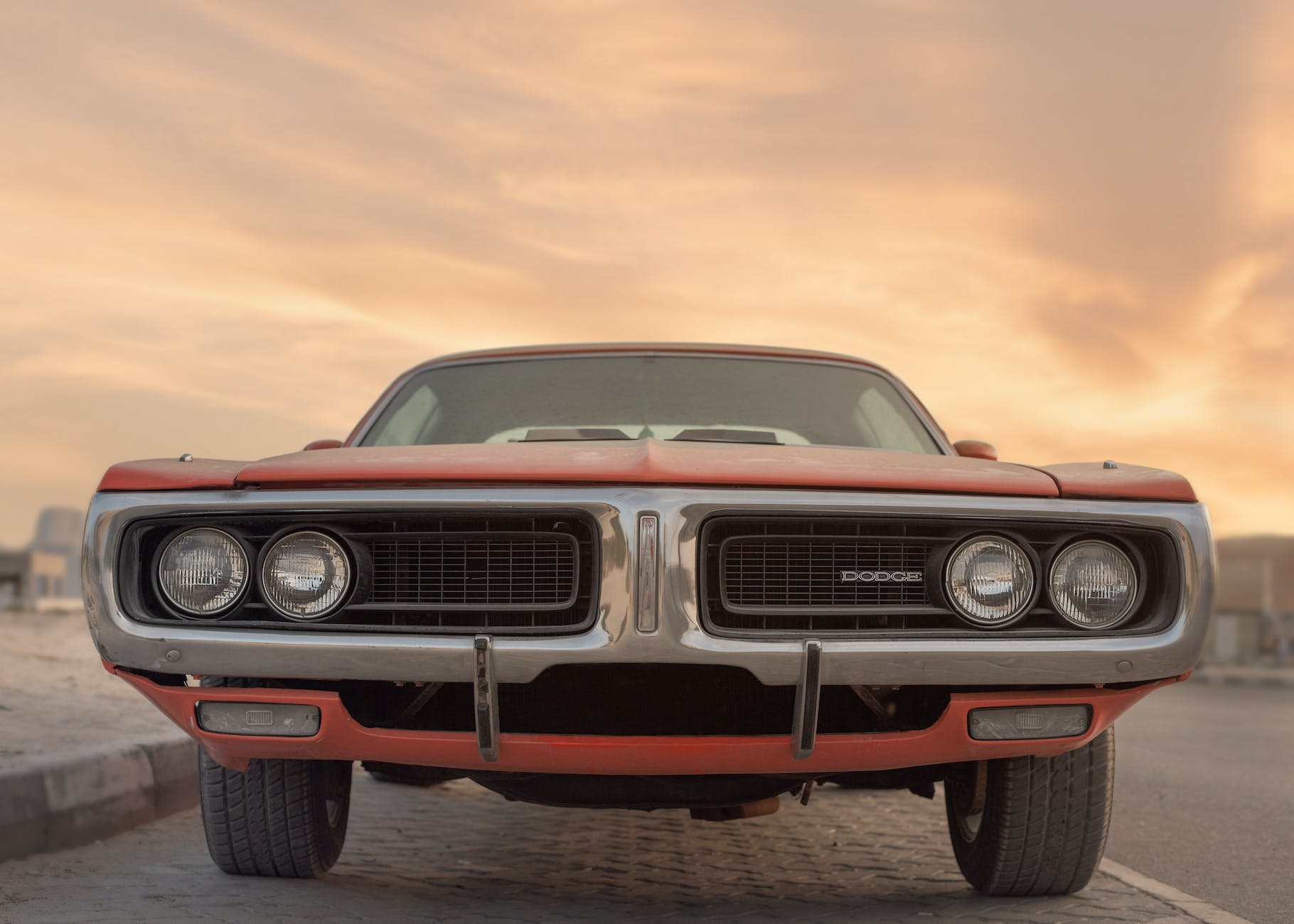
Classic vintage cars, on the other hand, are true relics from the past, typically manufactured before the 1980s. These vehicles embody the essence of a bygone era, emanating both historic and sentimental value. Classic vintage cars often hold a special place in car enthusiasts’ hearts due to their timeless beauty, craftsmanship, and historical significance.
Characteristics of Classic Vintage Vehicles:
- Timeless Design: Classic vintage cars exude a distinctive charm through their elegant and timeless designs. They often showcase iconic features, intricate details, and artisan-level craftsmanship, honoring the automotive styles prevalent during their era.
- Mechanical Simplicity: Classic vintage cars are renowned for their mechanical simplicity, relying on carburetors, manual transmissions, and hydraulic systems. While this simplicity can be endearing to some, it may also pose challenges in terms of maintenance and availability of spare parts.
- Rarity and Collectibility: Authentic classic vintage cars are becoming increasingly rare, with some models commanding astronomical prices due to their limited availability and high demand. Owning and restoring a classic vintage car is often seen as a labor of love and a way to preserve a piece of automotive history.
In summary, while youngtimers and classic vintage cars both capture the hearts of car enthusiasts, they are distinct in terms of their era, design, technological advancements, and collectibility. Youngtimers offer a fusion of modernity and nostalgia, providing a practical and reliable way to experience the charm of older vehicles. In contrast, classic vintage cars embody the spirit of a glamorous past and remain highly sought-after for their rarity and historical significance. Whether you favor the sophistication of classic vintage or the convenience of youngtimers, both categories present unique opportunities for enthusiasts to appreciate and admire the evolution of automobiles.
 Youngtimer Cars Europe
Leave a comment