

In the world of classic cars, a new trend has emerged over the past few decades – the rise of youngtimer cars. These vehicles, typically produced between the 1980s and 2000s, have garnered a passionate following as automotive enthusiasts seek a unique blend of nostalgia, style, and affordability. In this blog post, we will explore the origins of youngtimer cars, their evolving popularity, and what can be expected in the market for these captivating vehicles.
The Emergence of Youngtimer Cars:
Youngtimer cars gained popularity among automotive enthusiasts in the late 1990s and early 2000s. Unlike traditional classic cars, which were primarily pre-1980s models, youngtimers captured the attention of a younger generation looking for more affordable collectible options. The availability of well-maintained vehicles from the 1980s and 1990s, combined with the introduction of technological advancements, made youngtimers an enticing choice for both collectors and everyday drivers.

Evolving Popularity and Driving Factors:
The popularity of youngtimer cars can be attributed to several factors. Firstly, their affordability compared to vintage classics and contemporary luxury vehicles made them accessible to a wider range of enthusiasts. Additionally, youngtimers offered a distinctive fusion of modernity and classic charm, with models boasting advanced features while still exuding timeless design elements. This unique combination appealed to a new generation of car enthusiasts seeking a more dynamic driving experience without compromising on style.
The Changing Market:
As automotive trends continue to shift, the market for youngtimer cars has also undergone significant changes. Initially, youngtimers encompassed a broad range of vehicles, from Japanese and European sports cars to luxury sedans. However, certain models have emerged as popular favorites. For example:
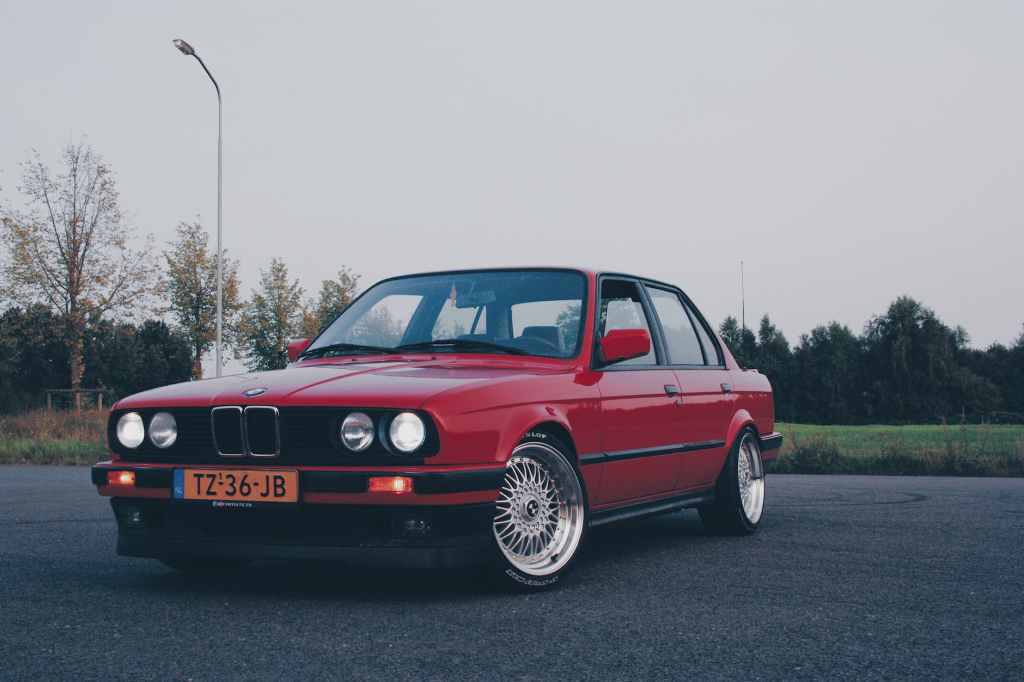
BMW E30 (1982-1994): The E30, available in various body styles, such as the 3-Series and M3, has become an icon among youngtimer enthusiasts. Its timeless design, excellent handling, and impressive performance have led to a surge in demand.
Volkswagen Golf GTI Mk2 (1983-1992): This hot hatchback gained a cult-like following, thanks to its dynamic driving experience, affordability, and legendary reputation for reliability.
Porsche 911 (1984-1989): The 911, often referred to as the “G-Series,” has long been coveted by enthusiasts. As youngtimers, these models attract devotees seeking an accessible and thrilling Porsche experience.
Future Prospects:
Looking ahead, the market for youngtimer cars is expected to flourish. As newer generations embrace the nostalgia and unique attributes of these vehicles, their popularity is likely to grow. As a result, we can anticipate a broader range of models gaining recognition as youngtimers, potentially including iconic vehicles from the early – mid 2000s. Moreover, the proliferation of electric vehicles may further contribute to the desirability of youngtimer cars with internal combustion engines.

The rise of youngtimer cars represents an exciting evolution in the world of classic cars. These vehicles have captured the hearts of automotive enthusiasts across generations, offering an affordable and captivating blend of nostalgia and modernity. With the market projected to expand and include a broader range of models, youngtimers will continue to hold a prominent place in the automotive landscape, appealing to those seeking a unique and rewarding driving experience.
 Youngtimer Cars Europe
Leave a comment