

Introduction
In the ever-evolving landscape of the automotive world, youngtimer cars have emerged as a captivating niche, enticing collectors and enthusiasts alike. Typically categorized as vehicles between 15 and 30 years old, youngtimers offer a unique mix of nostalgia, performance, and investment potential. This post will delve deeper into the world of youngtimer cars, explore their market conditions, provide insights into potential investment returns, and highlight key models along with relevant pricing in euros.
Understanding Youngtimer Cars
Youngtimer cars are often characterized by their classic charm and the more sensible engineering of more recent decades. They blend the delightful aesthetics of the past with modern conveniences, making them an attractive option for those who crave the excitement of vintage driving without sacrificing reliability. As the collector landscape evolves, youngtimers have become increasingly sought after, leading to fluctuating market conditions.

Market Conditions: The Rise of Youngtimer Cars
The market for youngtimer cars has seen a noticeable increase in demand as the younger generations turn towards these vehicles, driven by various factors:
- Nostalgia and Passion: Millennials and Generation Z often seek vehicles that embody the spirit and style of the past while providing the comforts of modern engineering. This has resulted in a revival of interest in well-preserved youngtimers.
- Affordability: Traditionally, classic cars have been priced out of reach for many enthusiasts. Youngtimer cars occupy a middle ground where they maintain a classic aesthetic but are more accessible. Prices can range from €5,000 to €30,000, depending on the model and condition.
- Investment Potential: The steady appreciation of youngtimer values has drawn the attention of investors. Many models have demonstrated a capacity for growth in value, with some appreciating by over 20% annually in particular markets, driven by rarity and cultural significance.
Investment Returns: What to Expect
Investing in youngtimer cars can potentially yield impressive returns, particularly for well-loved models that have become iconic. Here’s a breakdown of potential investment returns based on current market trends:
- High-Demand Models: Certain youngtimer models have appreciated significantly over the past few years. For example, classic BMW E30 models, which were available for around €8,000 to €15,000 just five years ago, are now being listed for €15,000 to €25,000, depending on condition and mileage. Some special editions or well-maintained variants can fetch prices north of €30,000.
- Market Variability: The appreciation of youngtimer cars can fluctuate based on external market conditions. Economic downturns may lead to stagnation in prices, while a revival of interest in particular brands or models can cause spikes in value.
- Long-Term Investment: While some youngtimers could appreciate quickly due to demand spikes, others may take a longer time to see significant returns. Patience and ongoing market observation are crucial for maximizing potential gains in this space.
Top Youngtimer Models and Their Pricing
- BMW E30 (1982-1994):
- Price Range: €8,000 to €30,000
- Investment Potential: This model has shown consistent appreciation, especially in well-maintained conditions or rare variants like the M3.
- Mercedes-Benz W124 (1984-1997):
- Price Range: €6,000 to €25,000
- Investment Potential: The W124’s reputation for quality and longevity has made it a favored choice. Well-preserved cars can appreciate significantly.

- Volkswagen Golf Mk2 (1983-1992):
- Price Range: €5,000 to €20,000
- Investment Potential: Prices have risen particularly for GTI models, reflecting the growing recognition of their classic status.
- Audi 80/90 (1986-1996):
- Price Range: €4,000 to €15,000
- Investment Potential: Though less celebrated than their BMW counterparts, clean examples are beginning to gain traction in collectors’ circles.
- Toyota Supra Mk3 (1986-1992):
- Price Range: €8,000 to €20,000
- Investment Potential: The Mk3 Supra has seen a significant resurgence in popularity, particularly among fans of Japanese performance cars, leading to a steady appreciation in value.

Additional Niche Youngtimer Models
- Peugeot 205 GTI (1983-1994)
- Price Range: €7,000 to €25,000
- Investment Potential: The Peugeot 205 GTI has become a cult classic among hot hatch lovers. Its nimble handling and spirited engine make it a joy to drive. Prices have surged as demand increases, with well-maintained models reaching upwards of €25,000.
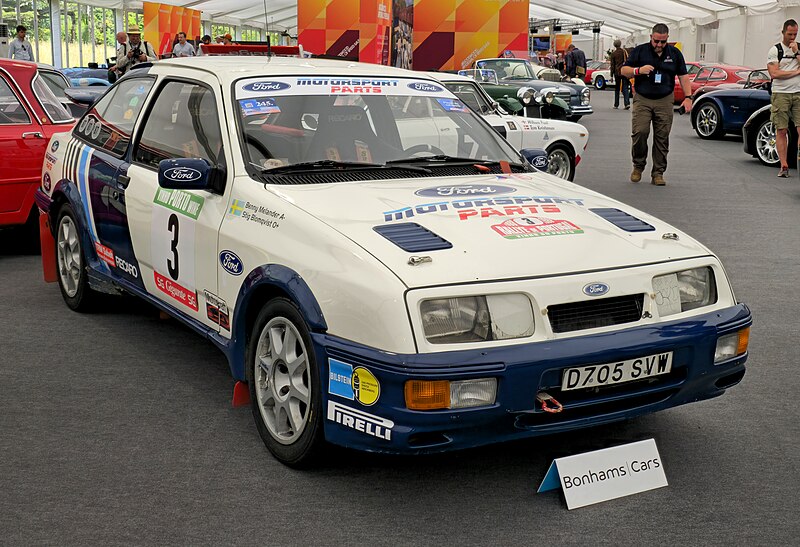
- Ford Sierra RS Cosworth (1986-1992)
- Price Range: €15,000 to €40,000
- Investment Potential: A symbol of 1980s performance, the Sierra RS Cosworth is highly sought after and has appreciated significantly. With its powerful turbocharged engine and distinctive styling, it can fetch prices exceeding €40,000 for pristine examples.
- Mazda MX-5 (NA, 1989-1998)
- Price Range: €6,000 to €15,000
- Investment Potential: Known for its lightweight design and exceptional handling, the first-generation MX-5 has become a favorite among driving enthusiasts. Well-kept models are steadily climbing in value, particularly attractive in special color variants or limited editions.
- Alfa Romeo 156 (1997-2006)
- Price Range: €3,000 to €12,000
- Investment Potential: The Alfa Romeo 156 gained acclaim for its distinctive design and engaging driving experience. As Italian cars become more desirable among collectors, prices for good-condition 156 models have shown signs of appreciation.
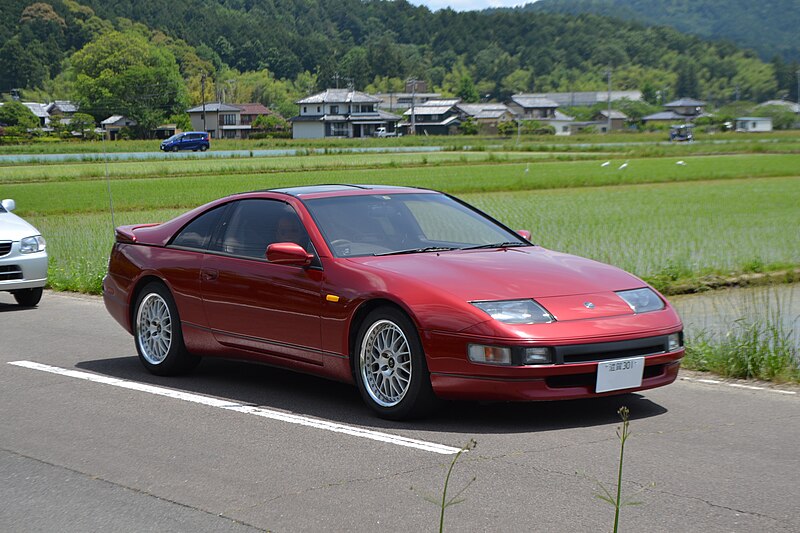
- Nissan 300ZX (Z32, 1989-1996)
- Price Range: €10,000 to €20,000
- Investment Potential: As a performance car icon from the 90s, the Nissan 300ZX is becoming increasingly appreciated for its design and technology. Collectors are starting to recognize its potential, leading to rising values, especially for turbocharged variants.
先従隗始
- Subaru Impreza WRX (1992-2000)
- Price Range: €10,000 to €25,000
- Investment Potential: Fast becoming a legendary model in rally history, the initial iterations of the WRX are gaining traction in the market. Clean examples can command higher prices, especially those with low mileage and full service history.
- Lancia Delta Integrale (1987-1995)
- Price Range: €20,000 to €60,000
- Investment Potential: The Delta Integrale is revered for its rally pedigree and distinctive 80s styling. As a perfect blend of performance and classic Italian design, it has seen tremendous appreciation, with prices reaching as high as €60,000 for well-preserved specimens.

- BMW Z3 (1995-2002)
- Price Range: €6,000 to €18,000
- Investment Potential: With its sporty design and engaging drive, the BMW Z3 remains a desirable model for enthusiasts. Its prices are gradually rising, especially for special editions such as the Z3 M, highlighting its potential as a future collectible.
- Citroën BX (1982-1994)
- Price Range: €2,000 to €8,000
- Investment Potential: Often overlooked in favor of sportier options, the Citroën BX is slowly gaining attention among collectors for its unique ciategoriless hydropneumatic suspension system and characteristic design. Values are beginning to rise as the car’s quirks find appreciation.
- Lotus Elise (1996-2001)
- Price Range: €20,000 to €40,000
- Investment Potential: The Lotus Elise is celebrated for its lightweight structure and exhilarating driving experience. Early models are seeing increased interest and rising prices, particularly for those equipped with the desirable Sport package.

Why Invest in Niche Youngtimer Models?
- Uniqueness: Niche models often have a dedicated audience, which can protect their investment value and lead to significant appreciation given the right market conditions.
- Rarity: Many niche models were produced in limited numbers, making them more coveted among collectors. This rarity can contribute to higher demand and ultimately, increased prices.
- Cultural Significance: Vehicles tied to significant automotive events (like rallying for the Lancia Delta Integrale) often garner more attention, which can elevate their market value.
- Community Enthusiasm: Engaging communities around niche models can provide avenues for knowledge sharing, parts sourcing, and even promotional opportunities, which can enhance investment value.
Tips for Buying Youngtimer Cars
- Research Thoroughly: Familiarize yourself with specific models, known issues, and market trends. Online forums, social media groups, and auction sites can be invaluable resources.
- Inspect for Quality: Look for documentation of regular maintenance, which increases reliability and resale potential. A well-documented service history can add thousands to a car’s value.
- Join Enthusiast Clubs: Engaging in the community can provide insider knowledge on market trends, model history, and potential gathering spots for sales and trades.
- Consider Market Timing: Economic factors can significantly influence the value of youngtimer cars. The best time to buy can often be when demand is low, typically in off-seasons or economic downturns.
Conclusion
Youngtimer cars are more than just nostalgic rides; they represent a promising investment opportunity. With attractive price points, a growing enthusiast community, and the potential for appreciation, these vehicles deserve a place in any car lover’s garage. The excitement of owning a youngtimer car lies not just in the journey of driving it, but also in the adventure of smart investment. Keep an eye on the market trends, do your research, and you might just discover your next automotive treasure!
 Youngtimer Cars Europe

Leave a comment