
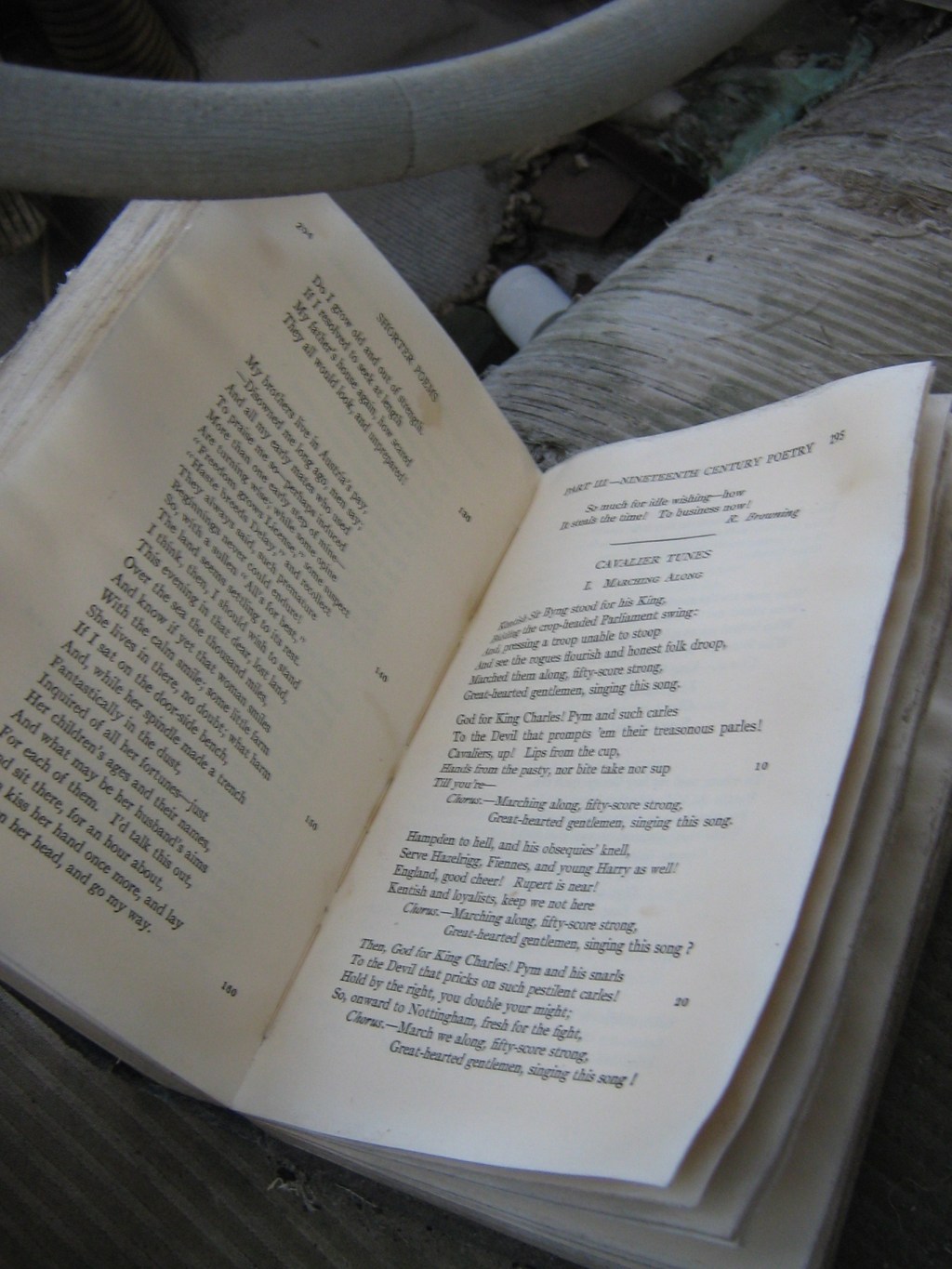
In the vibrant world of automotive culture, youngtimer cars hold a unique and beloved place. Defined as vehicles that are between 15 to 30 years old, these cherished rides capture a nostalgia that resonates deeply with enthusiasts and collectors alike. Youngtimer cars are not just mechanically fascinating; they also weave a connection to various strands of culture, including literature. In this blog post, we will explore the interplay between youngtimer cars and classic books, examining how some timeless literary characters and themes are beautifully complemented by the vehicles of their time.

What are Youngtimer Cars?
Before diving into the literary connections, let’s ensure we grasp the essence of youngtimer cars. These vehicles are considered younger than classic cars, which are defined as being over 30 years old but older than modern cars. Youngtimers typically include models from the late 1980s to the late 1990s, a period characterized by significant advancements in automotive technology, style, and design. Some renowned examples include:
- BMW 3 Series E30 (1982-1994): This compact executive car is celebrated for its sporty dynamics and slick design, making it a favorite among purists and young enthusiasts alike.
- Mercedes-Benz 190E (1982-1993): With its classic lines and sturdy build, this model is often seen as a gateway into the world of classic luxury cars.
- Volkswagen Golf Mk2 (1983-1992): The epitome of a practical yet stylish runabout, it became known for its versatility and is a testament to the era’s automotive ingenuity.
- Porsche 944 (1982-1991): An alluring mix of style and performance, the 944 embodies the spirit of the 80s sports car revolution.
These examples showcase the craftsmanship and timeless appeal of youngtimer cars, but how do they find their place in the world of literature?

Classic Literature and Cars: A Timeless Connection
Just as youngtimer cars mark specific eras in automotive history, classic literature encapsulates the essence of its time. Numerous literary works feature vehicles that not only serve as modes of transportation but also symbolize the characters’ social status, adventurous spirit, or existential dilemmas.
The Role of Cars in Literary Narratives
Cars in literature often provide authors with a dynamic element that can symbolize freedom, identity, or societal critique. In many classic books, the car acts as an extension of the characters’ personalities or circumstances. Let’s explore some notable examples:
- F. Scott Fitzgerald’s “The Great Gatsby”: The opulent yellow car of Jay Gatsby serves as a powerful symbol of wealth and status in the Jazz Age. The character’s lavish lifestyle, marked by extravagant parties, is epitomized in his ostentatious vehicle. For youngtimer enthusiasts, this connection resonates with the 1980s luxury cars that reflect a similar sense of aspiration and excess, such as the polished Mercedes-Benz models of that era.
- John Steinbeck’s “East of Eden”: Steinbeck’s depiction of individual journeys is underscored by vehicles that signify freedom and the quest for identity. Consider the Dodge Brothers cars popular in the 1920s. Their emergence mirrored the growth of American culture, paralleling the way Steinbeck navigated social and familial complexities. Youngtimer cars like the 1961 Ford Mustang may evoke the same sense of independence and exploration desired by Steinbeck’s characters.
- Jack Kerouac’s “On the Road”: The ultimate road-trip narrative, Kerouac’s classic revolves around the quest for meaning in post-war America. While the novel primarily features the Chevrolet Coupe, it sparks an appreciation for the era’s automobiles. The spirit of adventure embodied by cars like the 1985 BMW 325is makes them a modern-day analog to the free-spirited characters of Kerouac’s work.
- Ray Bradbury’s “Fahrenheit 451”: In this dystopian narrative, the sleek police cars represent the oppressive government. The technological prowess of the vehicles serves to highlight the ease with which society has succumbed to control. Today, youngtimer cars faced with modern technological standards evoke a longing for simpler times—perhaps even reflecting a yearning for the human experience amidst automation.

The Emotive Power of Youngtimer Cars in Literature
In addition to serving as mere transport, youngtimer cars offer deeper emotional connections. The aesthetics, nostalgia, and status they represent can help us understand the nuances of literary characters and their relationships with the world. Here are a few ways in which this connection manifests:
- Nostalgia and Memory: Just as classic literature often evokes an emotional connection to nostalgia, youngtimer cars can bridge the gap between past and present. The vehicles we choose to drive often become markers of memories, much like how literature cements experiences through words. Using cars, characters in literature often undertake journeys that parallel life’s transformations—mirroring the experiences shared by those who now drive these cherished youngtimers.
- Symbolism and Identity: In literature, vehicles are often infused with traits that mirror the protagonists’ personalities or aspirations. A vintage car can symbolize freedom, rebellion, and even love. This symbolism rings particularly true in youngtimer cars: a well-maintained BMW E30 might evoke youthful exuberance, while a purring Porsche 944 could represent a desire for thrilling experiences.
- Social Commentary: Literature frequently uses cars to explore class differences and societal structures. Youngtimers can be emblematic of shifting social narratives. Consider how the rise of consumer culture in the 1980s is mirrored in the car designs of the time—a keen insight for readers examining the socio-economic trends in literature from and about that decade.

Exploring Youngtimer Cars in Literary Context
For enthusiasts, collecting youngtimer cars often intertwines with interests in history, art, and nostalgia. Consider the following tips for those who wish to further explore the relationship between youngtimer cars and classic literature:
- Read Books Set in the Era of Your Car: Understand the social conventions and cultural nuances of the time through literature. Books from or about the 1980s will often contain references to cars and lifestyle choices that resemble your beloved youngtimer.
- Join a Literary Car Club: Many automotive enthusiasts find communities where literature meets cars. Participating in book clubs that focus on automotive-themed literature can deepen connections to both worlds. Look for events or meetings that focus on your car’s era.
- Explore Real-Life Inspiration: Research how certain cars have inspired various literary works. Whether by visiting exhibits at car shows or watching classic films featuring youngtimers, understanding the relationship between automotive history and literature can enhance your appreciation.
- Rediscover the Classics: Consider revisiting classic literary works through the lens of cars. Analyze how specific vehicles influence character development, setting, or themes. This unique approach can offer fresh insights into beloved stories.
Conclusion
Youngtimer cars and classic literature provide a profound connection that touches on nostalgia, identity, and cultural critique. The vehicles from the 1980s and early 1990s embody the spirit of their time and carry stories waiting to be shared. Just as characters in literature navigate the complexities of life, youngtimer cars remind us of the experiences and memories shared on the open road. For both car enthusiasts and literature lovers, the intersection of these two worlds offers endless exploration—inviting us to celebrate the past while contemplating the future. Whether you’re behind the wheel of a vintage BMW or diving into the pages of “The Great Gatsby,” the journey is, after all, what truly matters.
 Youngtimer Cars Europe
Leave a comment